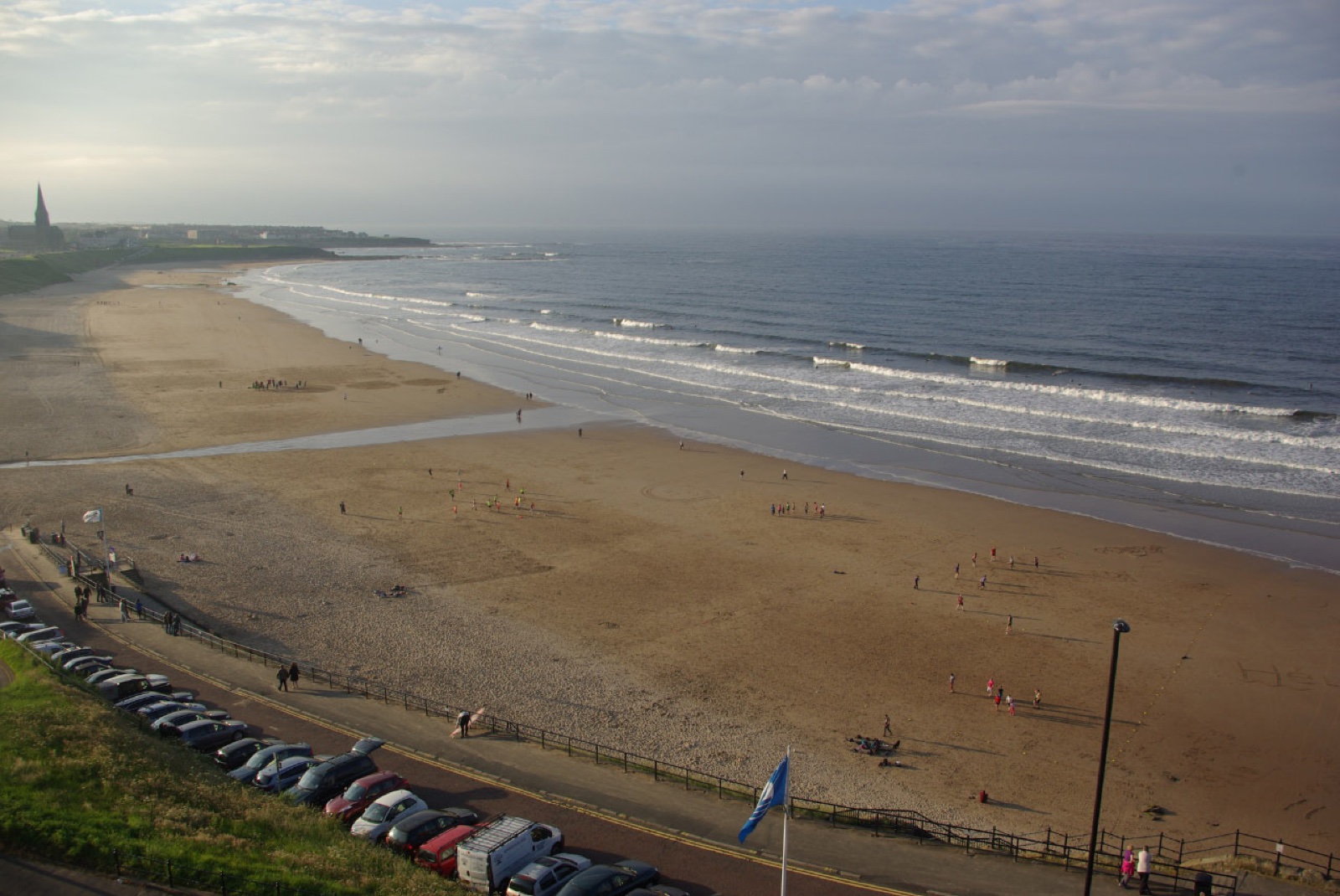

Suction machines are out and more local labour is in as the insurer-funded nurdle recovery enters a new phase. Seven drop-off points stay open on the coast.
The operation removing plastic pellets from the coast is changing how it works, two months after they spilled into the River Tyne. The large suction machines used on the beaches are being withdrawn. More local labour is being brought in to work alongside the specialist contractor instead. (North Tyneside Council)
The pellets, known as nurdles, entered the river on Sunday 19 July. The Wind Orca struck the berthed container ship BG Orange at the Port of Tyne, and the spilled pellets have been washing up on beaches across the North East coastline ever since. Nurdles are 1mm to 5mm across and are the raw material for products such as food packaging and bottles. The council says they are not toxic and the risk to public health remains very low, but they can harm birds, fish and other animals that mistake them for food.
What is changing, and who decided
The recovery on the beaches is funded by the ship’s insurers. A specialist consultancy acting for the BG Orange’s interests oversees that work, and it has told the councils and other partners it is changing the contractor-led approach.
Until now the specialist contractor Briggs Marine and its subcontractor Nurdle UK have used large suction equipment on affected beaches. The council’s update says this “is no longer considered the most effective recovery method in current conditions”. Recovery will continue with a different approach, including additional local labour assisting Briggs Marine personnel.
The wider operation is not ending. Recovery activity continues daily, informed by environmental monitoring and by the Scientific and Technical Advice Cell, the expert group supporting the multi-agency response. Partners are also preparing for coming spring tides, which can wash pellets that are still in the sea onto beaches that were previously clear.
Stuart Wright, Director of Place Strategy at South Tyneside Council, said in the joint update carried on North Tyneside’s own page: “As with any long-term recovery operation, methods and resources are being adapted as circumstances change and as we build a clearer understanding of conditions on the ground.”
Two numbers are still missing from the record. The council says the exact quantity of pellets released “continues to be assessed”, and that recovered material is being weighed but “a verified figure is not currently available”.
Where to take collected nurdles
Beaches remain open. The council asks anyone collecting pellets to use its designated collection points, which its collection point map marks at:
- Whitley Bay Beach
- Cullercoats Bay
- Tynemouth Longsands North
- Tynemouth Longsands South
- The Haven
- Tynemouth Aquarium
- Fish Quay Sands
Council teams check the points regularly and remove what has been dropped off.
How to help without making it worse
The council’s volunteer guidance asks helpers to:
- wear gloves and use heavy-duty bags the council can collect
- check tide times first, stay off wet sand where possible, and start from the high tide line as the water goes out
- avoid walking over patches of pellets, which pushes them deeper into the sand
- leave seaweed roughly where it was found after checking under it
- keep clear of contractor vehicles and marked work areas
- report any large concentration through the council’s online form rather than tackling it alone
Anyone under 18 should be with a parent or guardian, and dogs should be kept on leads in affected areas because of the risk of swallowing pellets. Anyone who wants to volunteer can contact VODA North Tyneside at admin@voda.org.uk.
The petition, the costs and the investigation
A petition on Change.org calling for a full investigation into the collision and stricter regulations for the shipping industry had 603 signatures when we checked on 19 September. It was launched by Waste Managed, a Newcastle-based waste services firm, which says it has also donated £500 to the clean-up specialist Nurdle.
The cause of the collision is subject to ongoing investigations. North Tyneside Council says it “will look to recover the costs of the clean-up from the insurers of those responsible”. The Port of Tyne’s own statement on the incident is on its plastic pellet spill page.
What it means for you
- The beaches are open, and the council is clear that the coast remains open for business and leisure.
- Do not pick up pellets with bare hands, and keep dogs on leads on affected beaches. If a pet eats pellets, contact a vet.
- Expect pellets to keep appearing in patches after big tides, even on sand that looked clean the week before. That is why collection points are staying.
- Check the official bathing water advice before swimming. Some local advice against bathing predates the spill and is about water quality, not nurdles.
Planning a trip to the coast this autumn? Our things to do in Whitley Bay guide covers the seafront year round, and our parking guide explains the rules at the seafront car parks.
Have your say