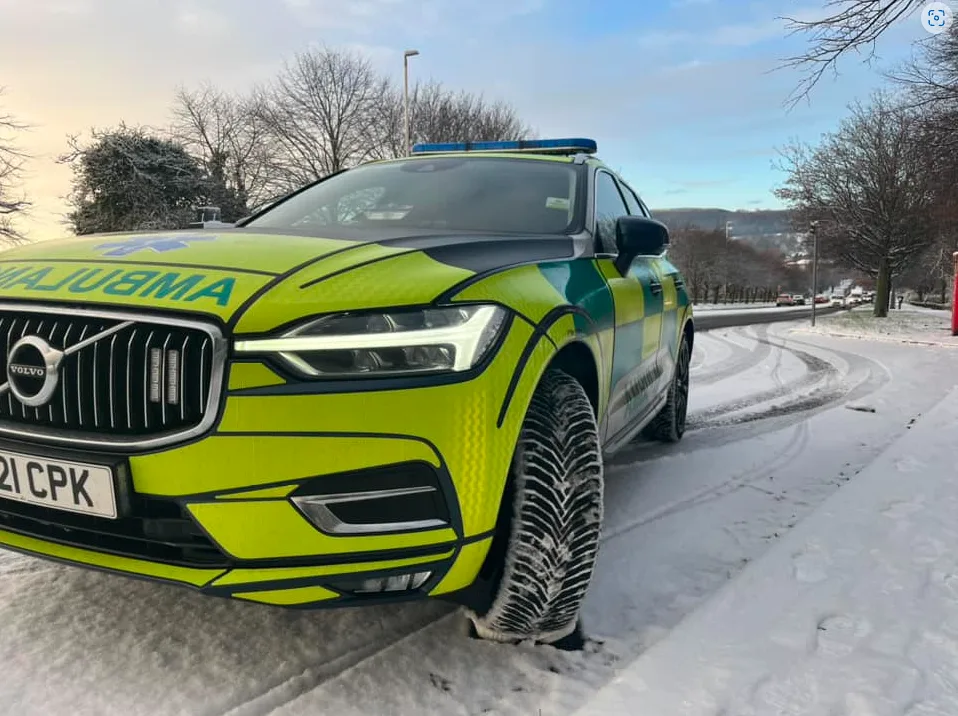

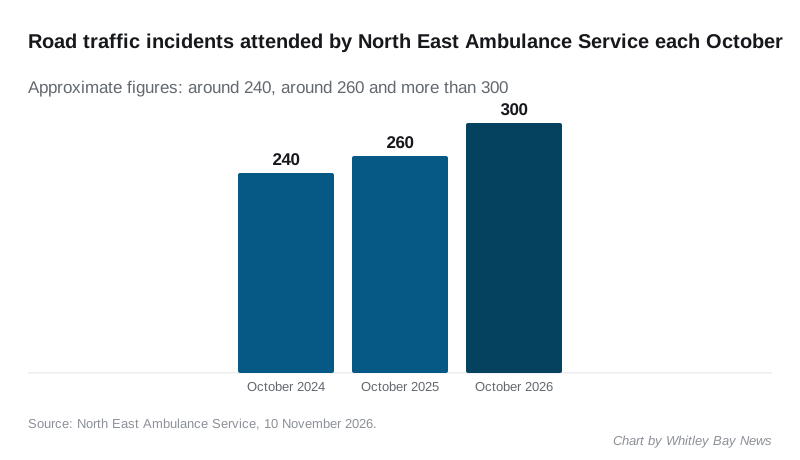
North East Ambulance Service went to more than 300 road crashes in October, up from about 260 a year earlier. Crews explain what happens after a 999 call.
North East Ambulance Service (NEAS), which answers every 999 call made in North Tyneside, attended more than 300 road traffic incidents across the region in October 2026. That is up from around 260 in October 2025 and 240 in October 2024, the service said on 10 November.
The figures come with the second stage of its winter safety campaign, which starts with the roads and severe weather. Road Safety Week runs from 15 to 21 November. Between October 2025 and February 2026, NEAS says it went to more than 1,300 road traffic incidents across the North East.
The service has not broken the figures down by area, so there is no separate number for North Tyneside.
A staged crash to show the response
To show how crews deal with a serious collision, NEAS paramedics and ambulance commanders took part in a simulated crash with several casualties. Commanders used it to demonstrate “10-second triage”, a quick check of every patient at a scene to find who needs care most urgently.
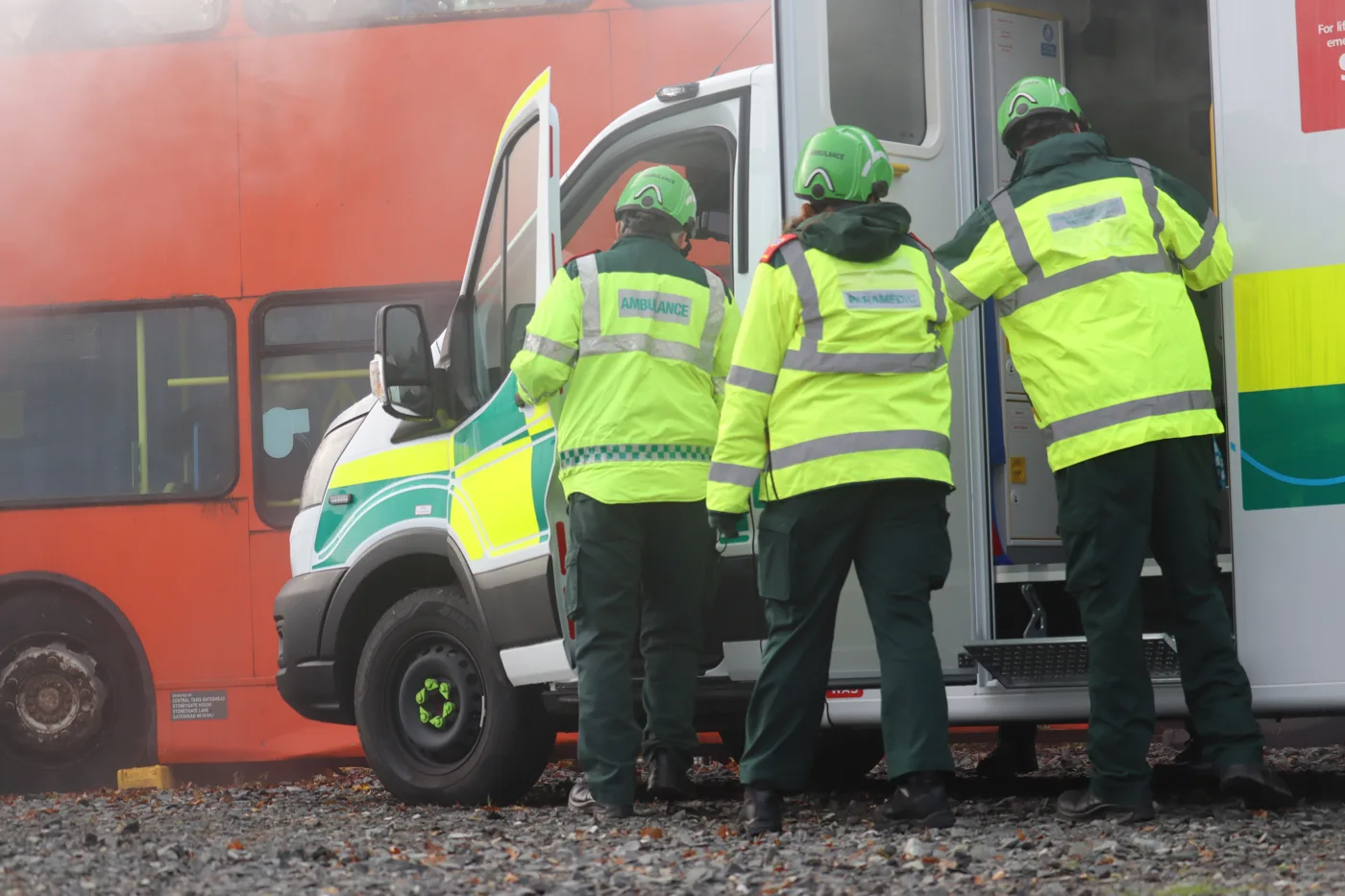
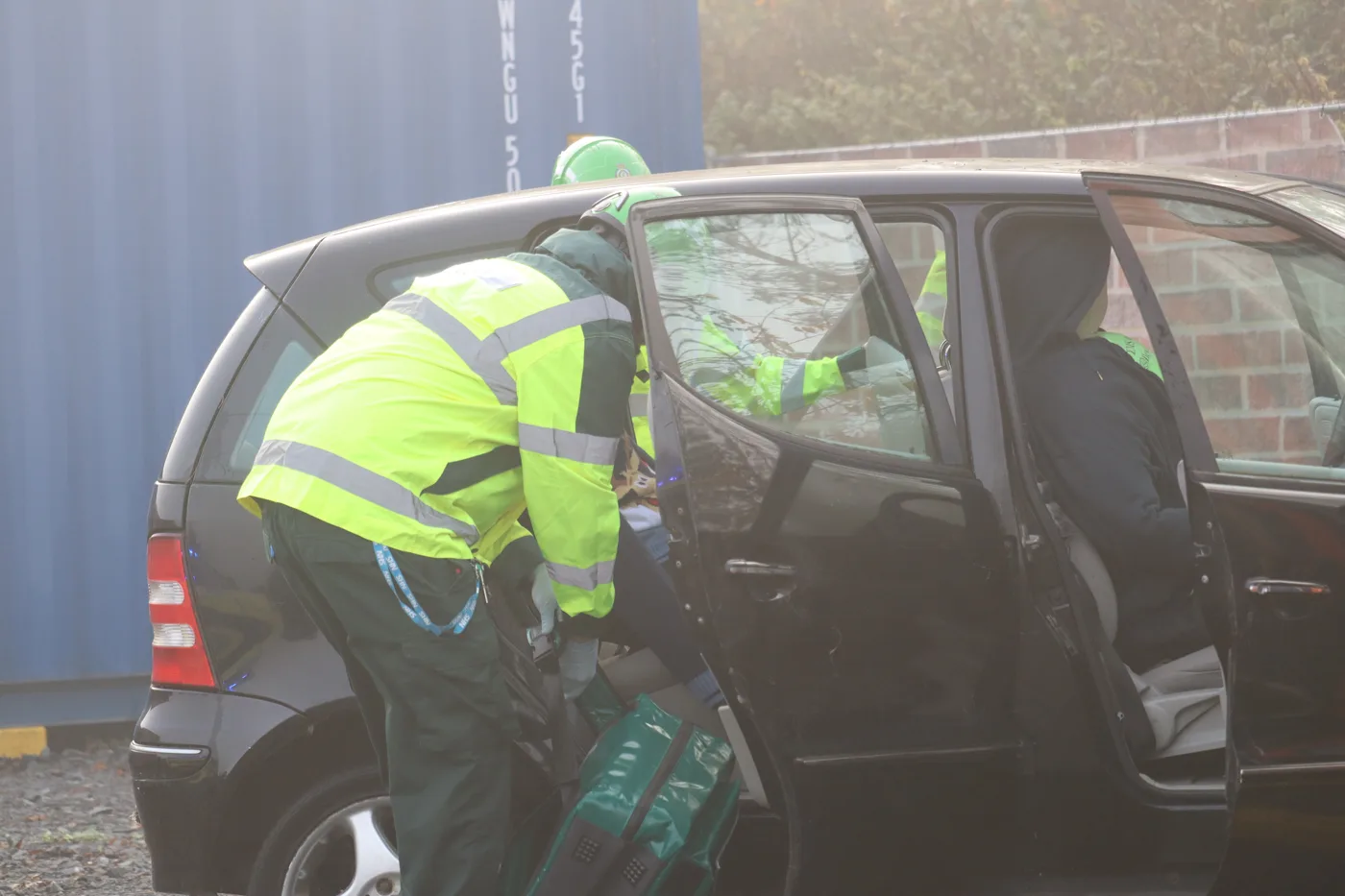
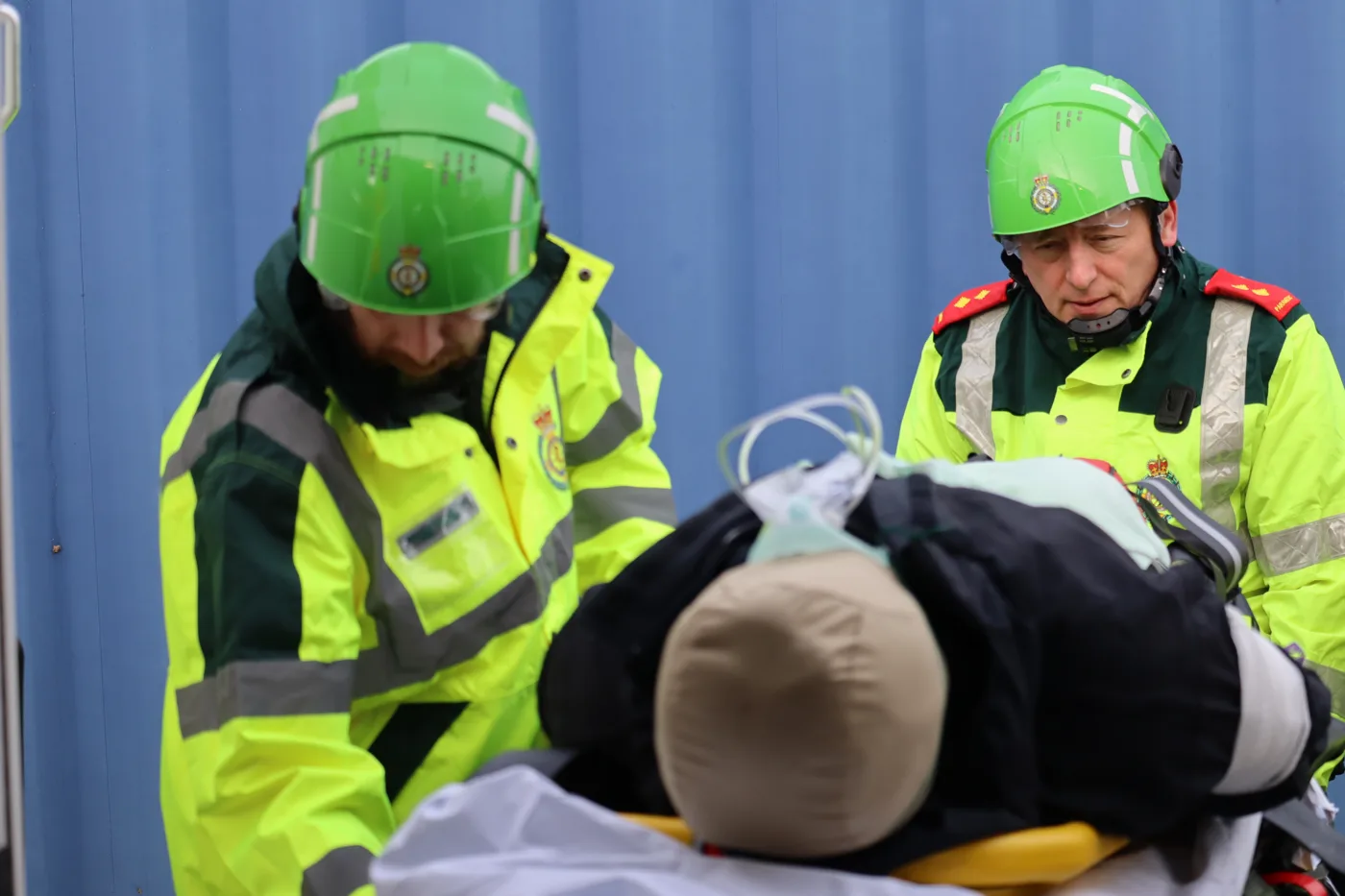
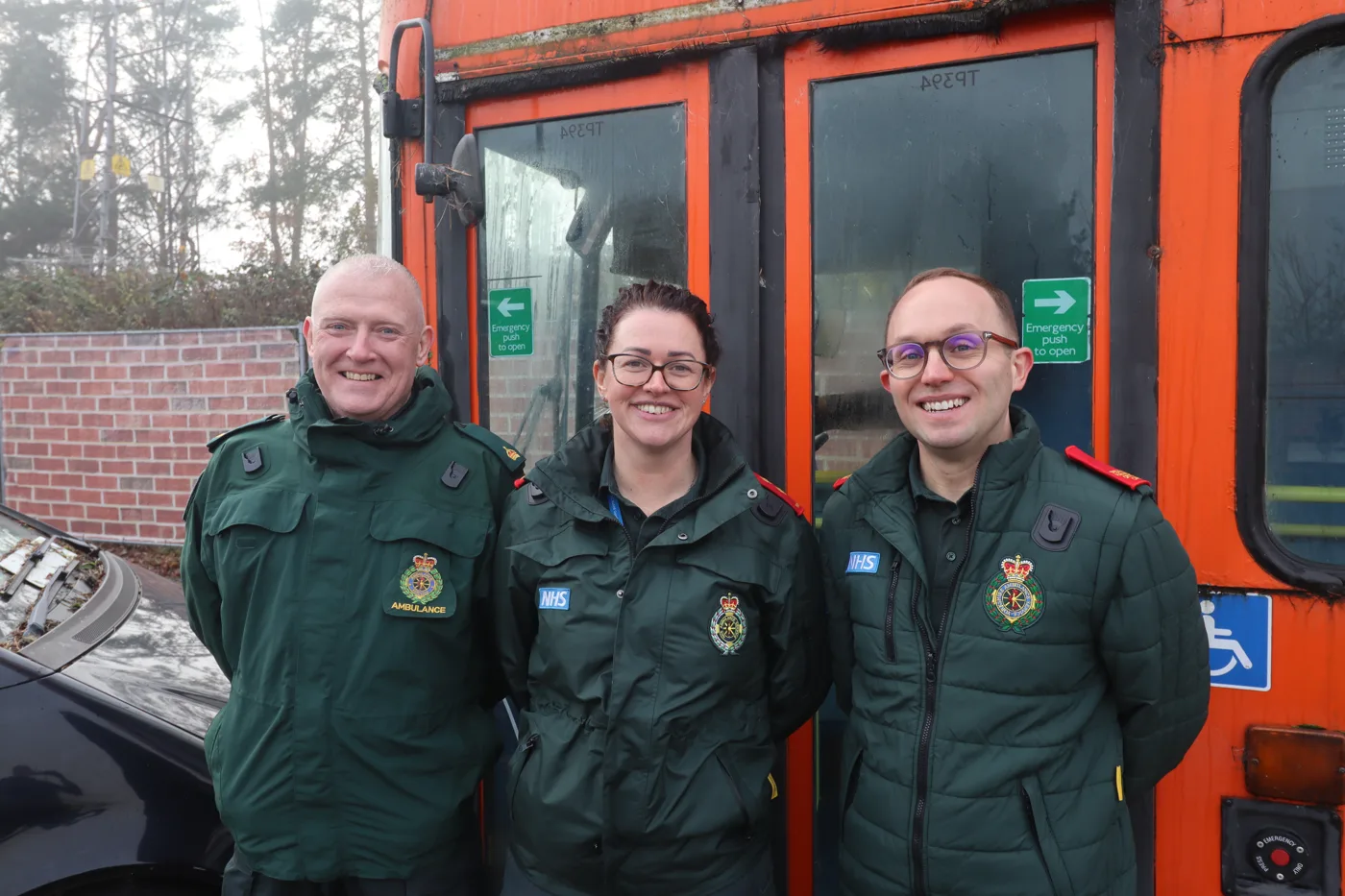
4 photos, swipe or scroll. Photos: supplied by North East Ambulance Service
Andy Sessford, the service’s deputy head of emergency preparedness, resilience and response, said: “When crews arrive at a serious road traffic collision involving multiple casualties, there can be a lot happening at once. We need to quickly establish how many patients are involved, assess their condition and identify who needs our help most urgently.
“Ten-second triage allows us to make that initial assessment quickly and consistently. It helps ambulance commanders build an early picture of the scene, prioritise patients and make decisions about how best to use the resources available to us.”
What happens after a 999 call
NEAS set out the steps:
- a health advisor takes the call and asks what has happened, how many people are involved and what their injuries are;
- the call goes to dispatch in one of the service’s emergency operations centres, which sends the closest suitable crew;
- for serious or complex crashes, the critical care desk reviews the response and can add specialist or rapid response paramedics, or help from other emergency services.
Rebekah Hunter, a clinical team leader, said winter makes the job harder. “Road traffic collisions can be challenging for our crews, particularly during the winter months when darkness, poor visibility, freezing temperatures and severe weather can make an already difficult scene even more complex,” she said.
“As a clinical team leader, my role is to support crews at these incidents, from helping with clinical and operational decision-making to coordinating the response and making sure colleagues have the welfare support they need.
“Our crews are always here when people need us, but we also want to help prevent incidents where we can. Through our winter safety campaign, we’re encouraging everyone to take simple steps to protect themselves and others as the darker nights and winter weather return.”
If you come across a crash
Thomas Mortillaro has been a paramedic with NEAS for 10 years and now works as a specialist paramedic in critical care, going to the most serious incidents.
“As specialist paramedics in critical care, we can be called to some of the most seriously ill and injured patients,” he said. “Our role allows us to provide advanced clinical assessment and treatment at the scene, working alongside ambulance crews and other emergency services to support patients who may have complex or life-threatening injuries.
“If you come across a serious collision, call 999 and give the call handler as much information as possible about what has happened and your location. What3words can help identify your location, particularly on rural or unfamiliar roads.
“Most importantly, never put yourself at risk by entering a live carriageway. Keep yourself safe, follow the instructions of the call handler and wait for the emergency services to arrive.”
Before you drive this winter
NEAS asks drivers to:
- check their vehicle before setting off;
- allow extra time when the weather is poor;
- never drive while distracted, under the influence of alcohol or drugs, or overly tired.
Later stages of the campaign will cover flu and other winter illnesses, and support for people living with asthma, COPD and other breathing conditions. More advice is on the NEAS winter safety advice page, and the full release is on the NEAS media centre.
Have your say