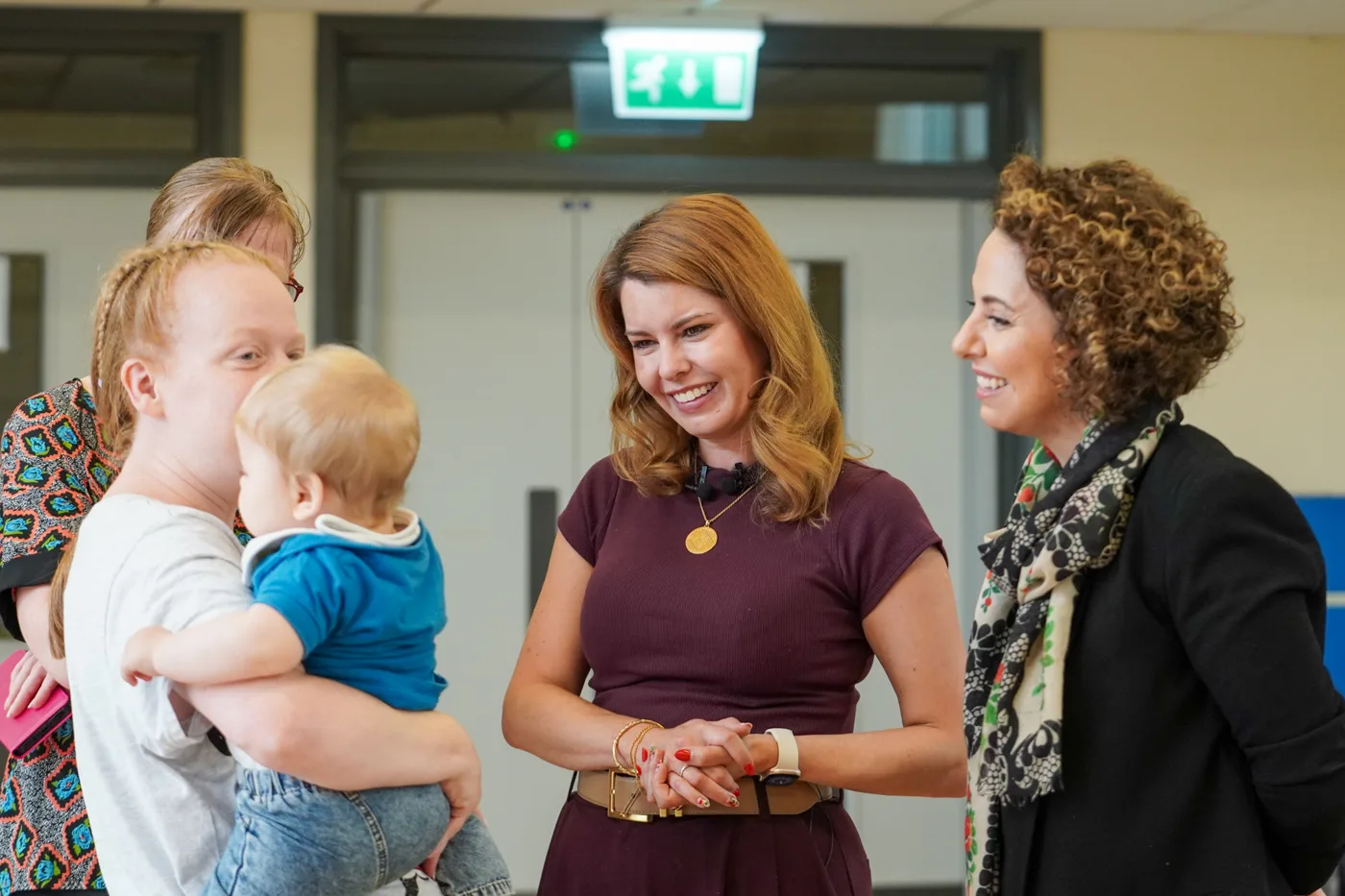

Scrapping the two-child limit lifted 680 North Tyneside children above the poverty line by May, 320 in Tynemouth. North East Mayor Kim McGuinness responds.
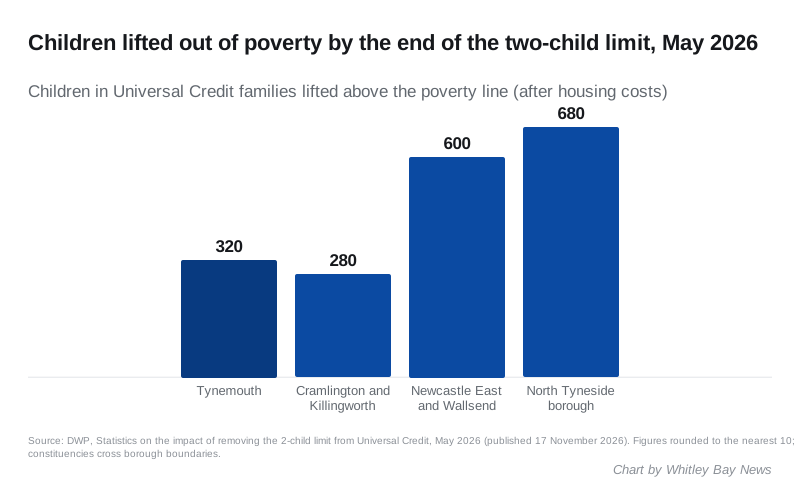
Scrapping the two-child limit on Universal Credit has lifted 680 children in North Tyneside above the poverty line, 320 of them in the Tynemouth constituency, according to the first Department for Work and Pensions figures on the change, published on Tuesday 17 November.
The limit was removed in April 2026. Across the borough, 3,520 children live in families whose Universal Credit award went up as a result, along with 1,420 adults. Of those adults, 270 were also lifted above the poverty line.
North East Mayor Kim McGuinness, who campaigned for the limit to go, said:
“What families struggling to make ends meet need is simple - a bit more money in their pockets for their kids to have a better start in life.”
The figures for North Tyneside
The DWP breaks its figures down by parliamentary constituency and by council area. All of them describe Universal Credit families in May 2026 and are rounded to the nearest 10.
| Area | Children in families whose award rose | Children lifted out of poverty | Adults in families whose award rose | Adults lifted out of poverty |
|---|---|---|---|---|
| North Tyneside borough | 3,520 | 680 | 1,420 | 270 |
| Tynemouth constituency | 1,320 | 320 | 540 | 130 |
| Cramlington and Killingworth constituency | 1,580 | 280 | 620 | 110 |
| Newcastle upon Tyne East and Wallsend constituency | 2,950 | 600 | 1,170 | 220 |
The Tynemouth constituency takes in Whitley Bay. The Cramlington and Killingworth and the Newcastle East and Wallsend seats both cross the borough boundary, so their figures include homes outside North Tyneside.
“Poverty” here means relative low income after housing costs, the government’s preferred official measure. In May 2026 that line sat at around £400 a week for a couple with no children and around £640 a week for a couple with three children under 14. For every child previously affected by the limit, families now receive just over £300 a month more in Universal Credit, the government says.
Across the North East
The government says 9,000 children in the North East Combined Authority area have been lifted out of poverty by the change. In May 2025 there were 95,700 children from Universal Credit families in poverty in the authority’s area; by May 2026 there were 82,800, a fall of 13% in 12 months.
Across Great Britain the DWP’s tables put the number at 301,720 children. The government says it expects 450,000 children to be lifted out of poverty by the end of this parliament, or 550,000 when other measures in its Child Poverty Strategy are counted.
What the Mayor said
Ms McGuinness said the change sits alongside the combined authority’s own £30 million child poverty action plan:
“I fought hard for the Government to end the two-child cap because I knew the difference it would make for families here in the North East, alongside our own £30m action plan to fight child poverty with measures including child care grants and baby boxes.
“Ending the cap was about making sure children get a decent meal or warm clothes for winter - and do not forget that two thirds of child benefit claimants are from families with parents who have jobs and are working hard for their kids.”
What ministers said
The figures came out on the same day as Alan Milburn’s final report on young people not in education, employment or training, on which the Mayor also commented.
Work and Pensions Secretary Pat McFadden said:
“This is about changing the story of children’s lives. Children who grow up in poverty are more likely to have mental health difficulties, to be NEET and to earn less as adults.
“Removing the two-child limit is the most cost-effective way to drive down child poverty rates and is an investment worth making, for those children, for their families, and for the whole country.”
Education Secretary Lucy Powell said:
“These first figures show us what is possible. Scrapping the two-child limit has already lifted 300,000 children out of poverty and given them a springboard for the future.
“But we are not stopping there. Free school meals, free breakfast clubs and more childcare are easing the pressure on families and will help tackle one of the root causes of the NEETs crisis to get young people earning and learning.”
The full tables, by constituency and council area, are in the DWP’s Statistics on the impact of removing the 2-child limit from Universal Credit, May 2026, alongside its Universal Credit Low Income statistics.
Source: North East Combined Authority and Department for Work and Pensions.
Have your say