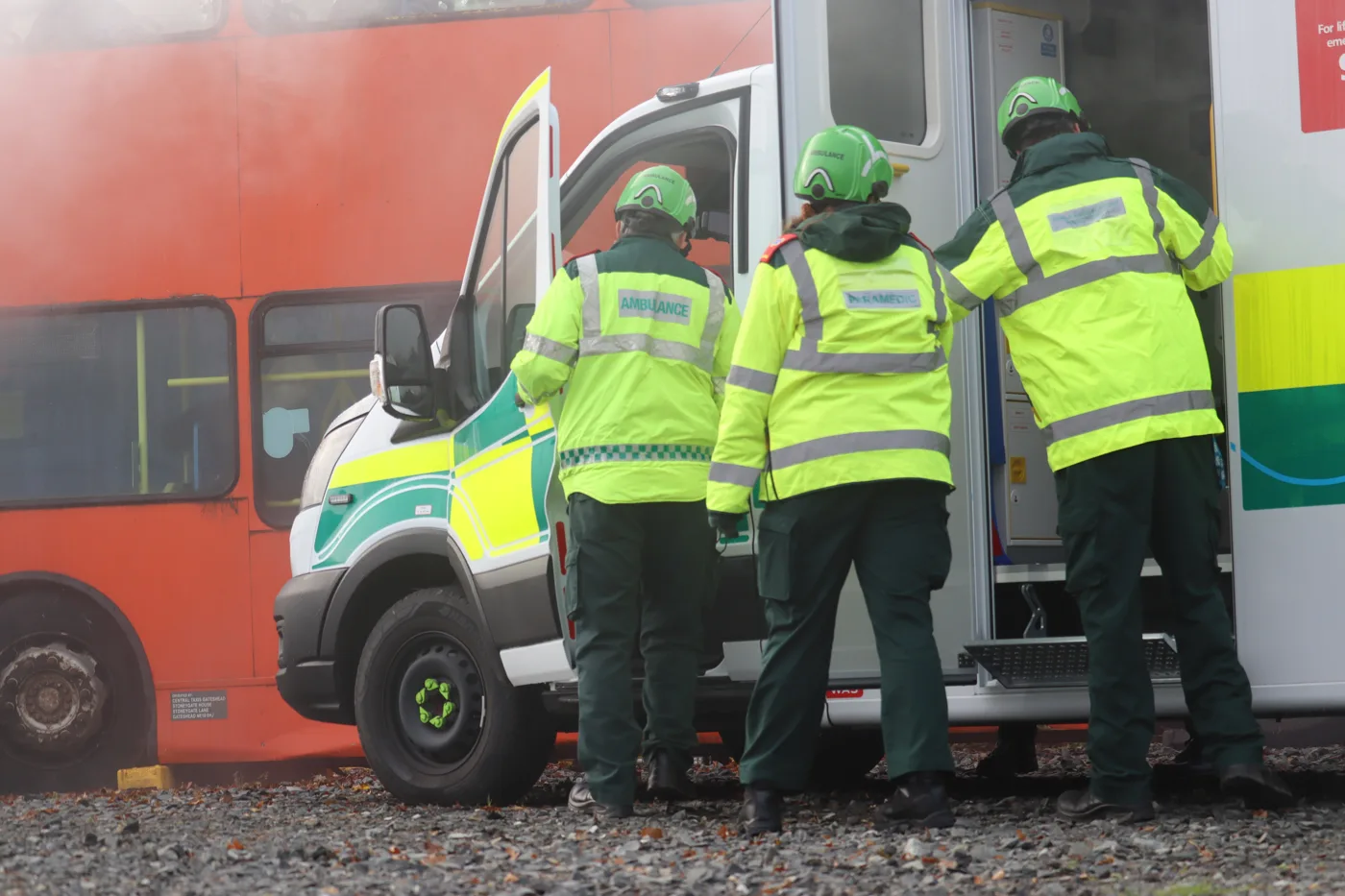

Check tyres, lights and the forecast, clear all ice and leave extra time: North East ambulance, police, fire and highways crews share winter road advice.
Drivers in North Tyneside are being asked to check their tyres, lights and the weather before every winter journey, clear all snow and ice from the car, and leave more time, as the four services that deal with crashes on the region’s roads mark Road Safety Week, which runs from 15 to 21 November 2026.
North East Ambulance Service (NEAS), which answers 999 and NHS 111 calls across the North East, is joined by Northumbria Police, Tyne and Wear Fire and Rescue Service and National Highways. The ambulance service says it attended more than 1,300 road traffic incidents across the region between October 2025 and February 2026.
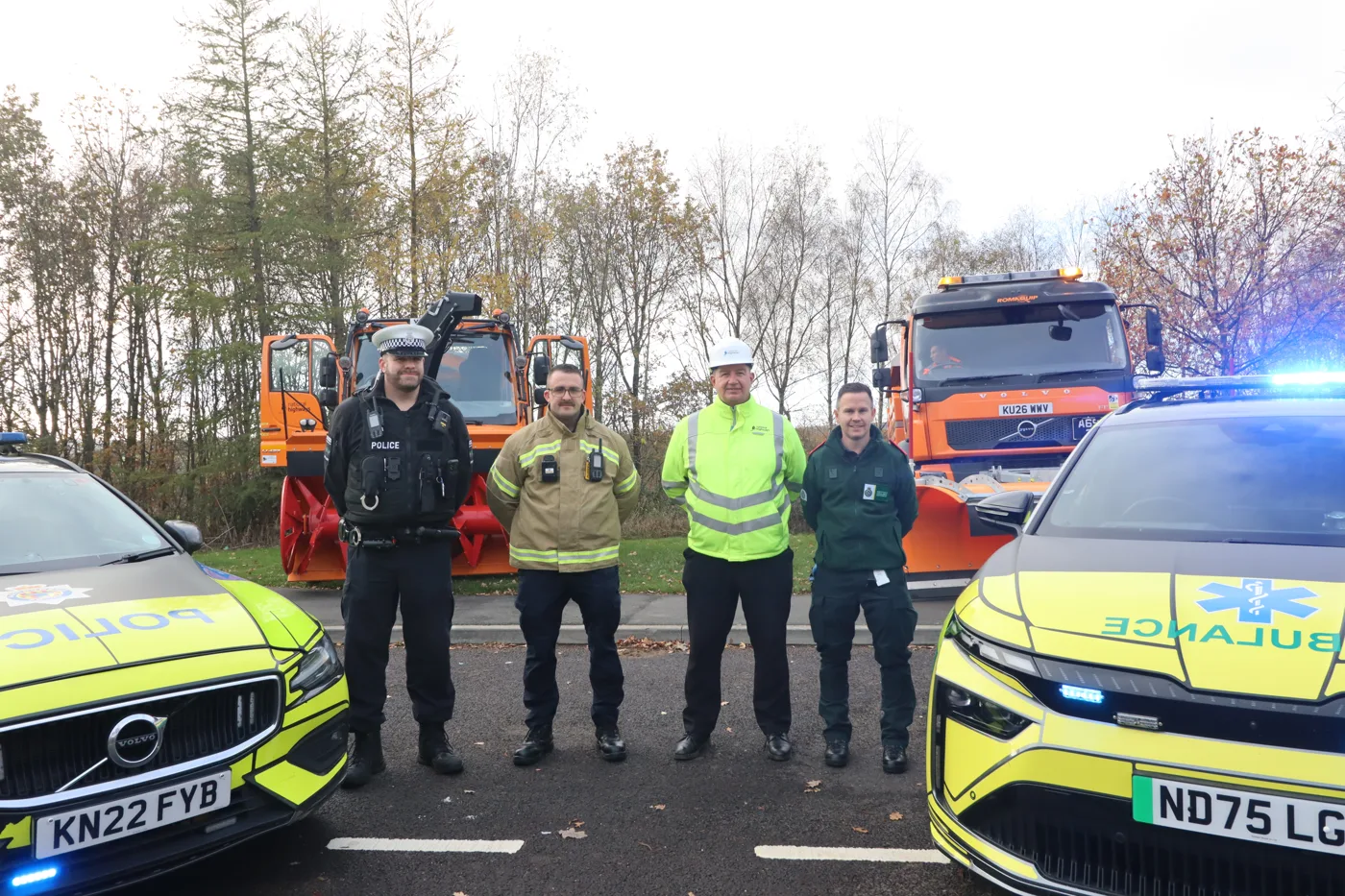
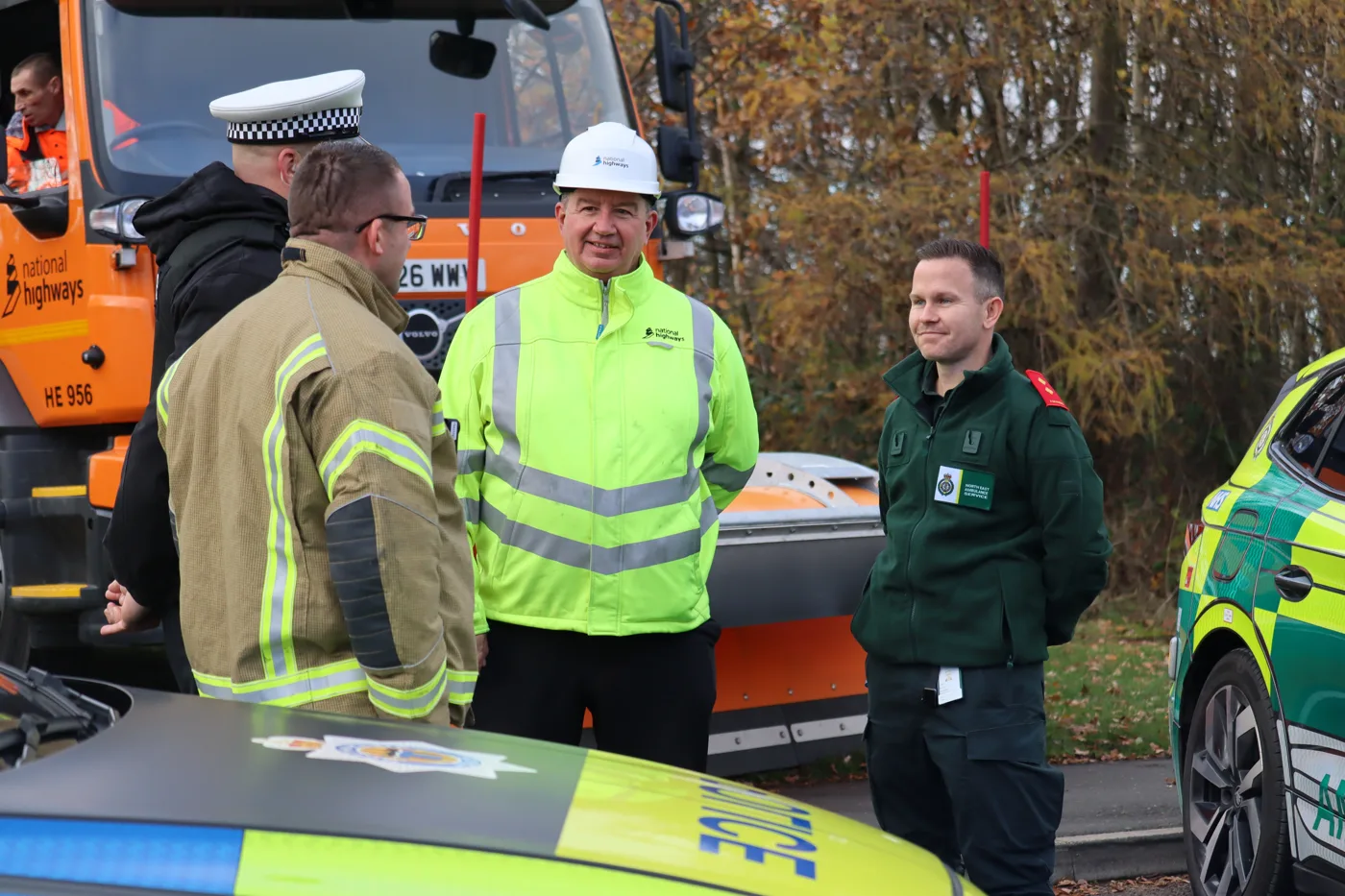
2 photos, swipe or scroll. Photos: supplied by North East Ambulance Service
Overview
- When: Road Safety Week, Sunday 15 to Saturday 21 November 2026.
- Before you set off: check the forecast and road conditions, tyres, lights, fuel, oil and screen wash, and clear all snow and ice.
- On the road: slow down where needed, watch for black ice, and never drive distracted, tired, or after alcohol or drugs.
- On foot or by bike: use lights and wear bright or reflective clothing.
- If you break down: stop somewhere safe, put the hazard lights on and move away from traffic if it is safe to do so.
Plan the journey before you leave
The advice is part of “NEAS: Be winter ready”, the ambulance service’s winter safety campaign. Paul Purvis, a clinical team leader at NEAS, said: “Being winter ready means planning ahead and making sure you and your vehicle are prepared before you travel.
“Check the weather and road conditions, make sure your tyres and lights are in good condition and give yourself extra time. If severe weather is forecast, consider whether your journey is necessary.”
He added that darkness and poor weather make hazards harder to see: “Cyclists, pedestrians and runners should also make themselves as visible as possible by using appropriate lights and wearing bright or reflective clothing.”
National Highways’ T.R.I.P. checks
National Highways, which manages 670 miles of motorways and A roads across the North East and Yorkshire, is asking motorists to follow its T.R.I.P. advice:
- Top up: check fuel, oil and screen wash.
- Rest: plan a break at least every two hours to avoid fatigue.
- Inspect: check tyre pressure and tread depth.
- Prepare: have a plan for severe weather and unexpected delays.
Colin Stevenson, road safety information lead at National Highways, said: “Winter weather can arrive suddenly, bringing heavy rain, strong winds, snow, ice and poor visibility. By following our simple T.R.I.P. advice, including checking tyres, topping up essential fluids and planning ahead, motorists can help reduce the risk of a breakdown and keep themselves and others moving safely this winter.”
If a vehicle breaks down, drivers should stop in a safe place where possible, use hazard warning lights and move away from passing traffic if it is safe. On motorways, follow official safety guidance and contact National Highways or the emergency services when needed.
Clear the car and slow down
Inspector Phil Patterson of Northumbria Police said: “Winter brings darker days, slippery roads and unpredictable conditions. Drivers should reduce their speed where appropriate, allow more time for their journey and remain alert for hazards such as black ice.
“Before setting off, fully clear snow and ice from your vehicle and make sure your windscreen is properly defrosted. Keep warm clothing and essential supplies in your car in case you break down.”
Get your eyes tested
Tyne and Wear Fire and Rescue Service pointed to eyesight. Paul Russell, its community safety area manager, said: “Winter conditions naturally reduce visibility on our roads and increase risks when driving. Add poor vision to this and road users may miss seeing and responding to hazards, including pedestrians on the road or a sudden change in traffic movement.
“Road users should ensure they have regular eye tests and that their eyesight complies with DVSA standards to help keep themselves and others safe on our roads.”
Why the services are pushing it now
Figures from the road safety charity Brake show that almost 30,000 people were killed or seriously injured on Britain’s roads in 2025, with pedestrians and cyclists accounting for one in four of those killed, according to the release. Brake’s own response to the 2025 casualty figures and its Road Safety Week 2026 page have more.
Last month NEAS said it went to more than 300 road crashes in October alone, up from around 260 a year earlier: our report on those figures shows how crews handle a serious collision. The service’s winter safety campaign began in October.
NEAS serves 2.7 million people across 3,230 square miles and works with the police, fire service and National Highways on serious incidents on the region’s roads. In 2025/26 it answered more than 1.475 million 999 and NHS 111 calls.
Paul Purvis said: “Taking a few simple steps to prepare and adapting your journey to the conditions can help reduce the risk of a collision and keep everyone safer.”
More advice is on the NEAS winter safety advice page.
Have your say